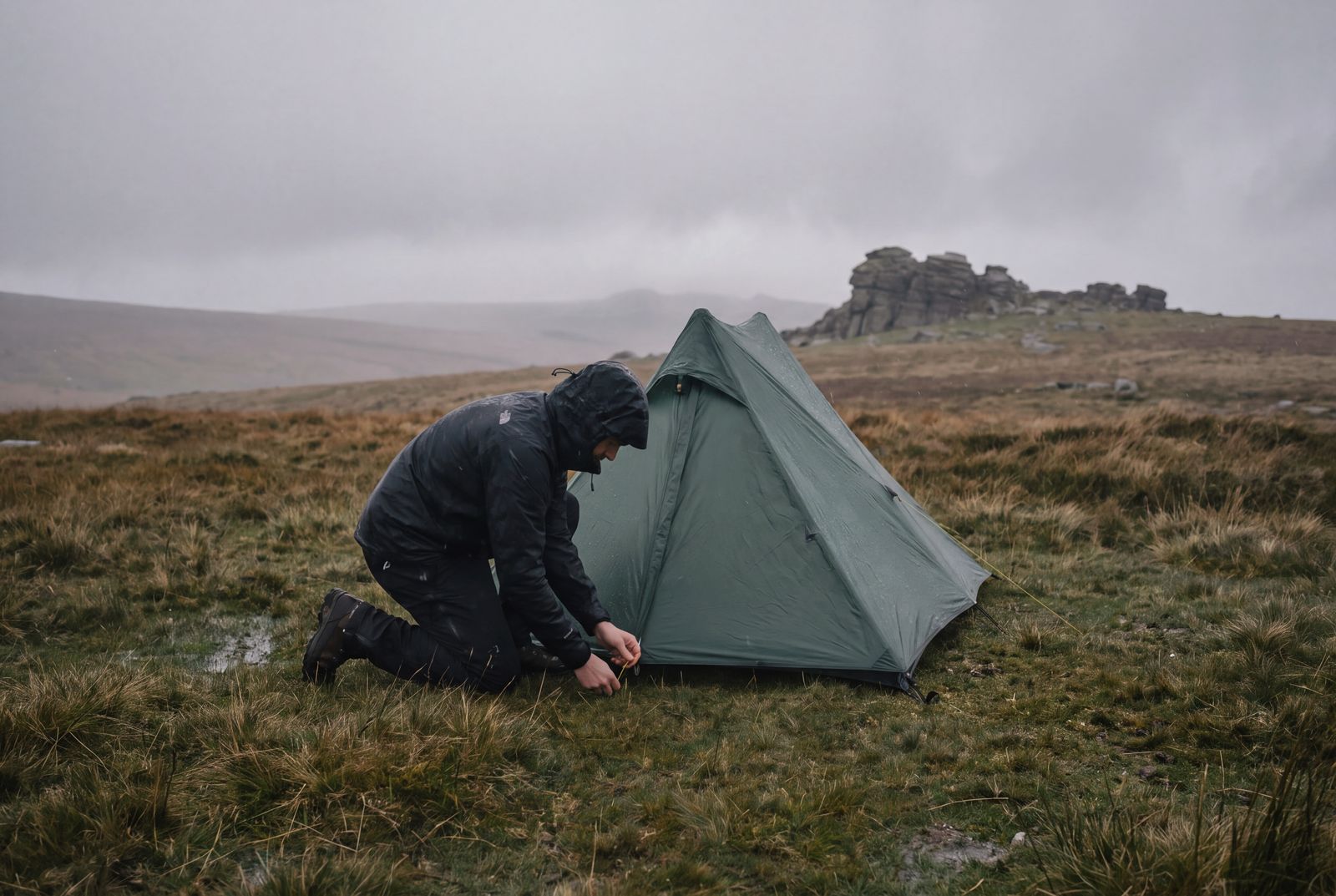
A wet day with the Trail Panel
Twelve Trail Panel members spent a day of Dartmoor rain testing next spring's jackets, tents and boots, and their notes have already changed two of them.
The Trail Panel is about 3,000 Club members who test our new ranges before they reach the catalogue. Most of them test at home: we post them samples, they use them through a season on their own walks, and they send their notes back in the app. Once or twice a year we also take a group out together, usually on Dartmoor, where our design and test team from Hale House does most of its field testing.
On Saturday 16 May, twelve panel members met at our Okehampton shop at eight in the morning, with two designers from Hale House and a colleague from the shop who was using one of the two test days every colleague gets each year. The forecast was rain all day with a south-westerly wind, which suited everyone.
Out onto the north moor
The group walked out from Meldon Reservoir, a few miles south-west of Okehampton, onto the north moor. The north moor includes military firing ranges, so the day was planned for a date with no live firing, and the leader checked the published firing times the evening before. It rained from the reservoir car park onwards and did not stop until the drive home.
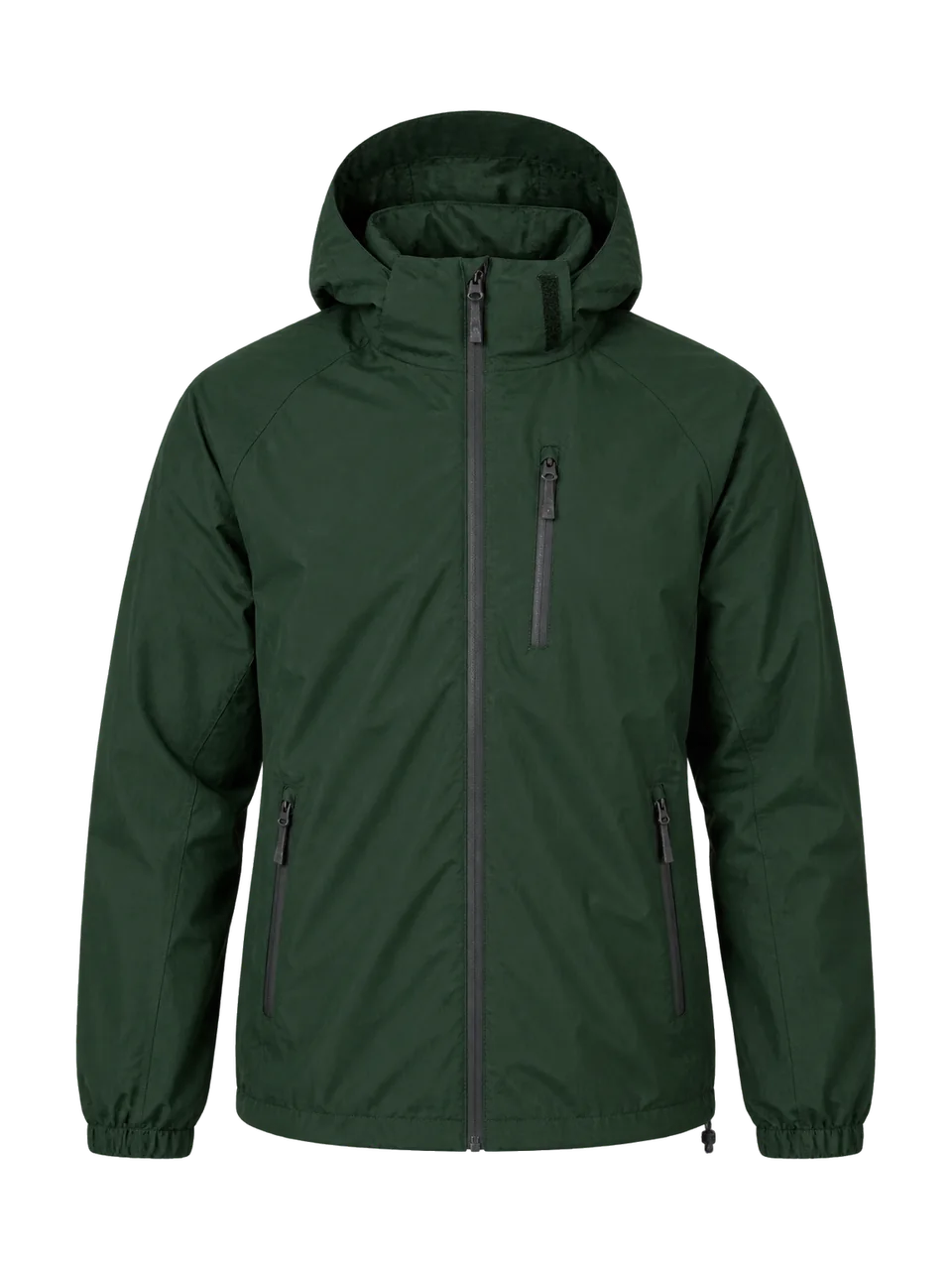
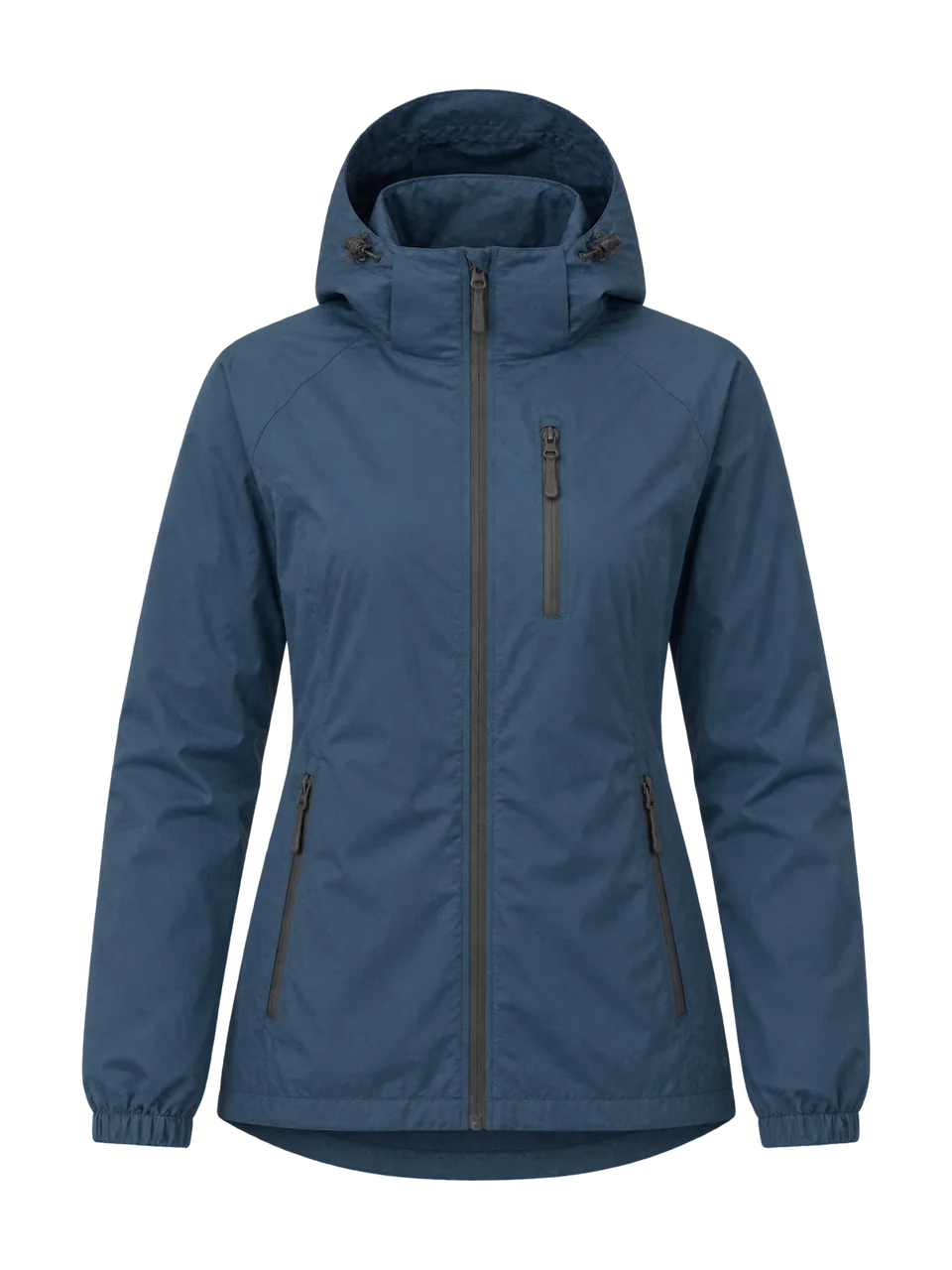
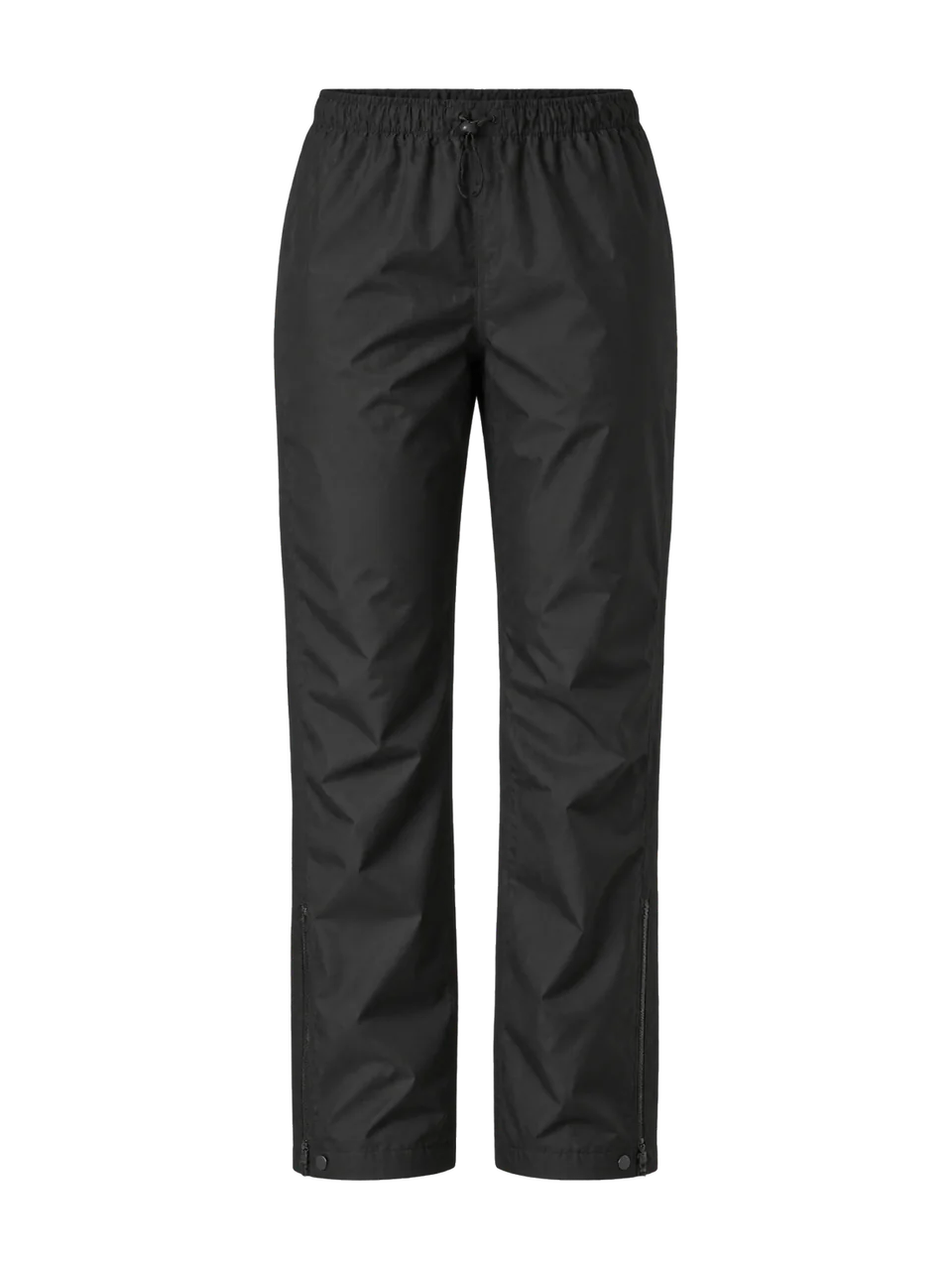
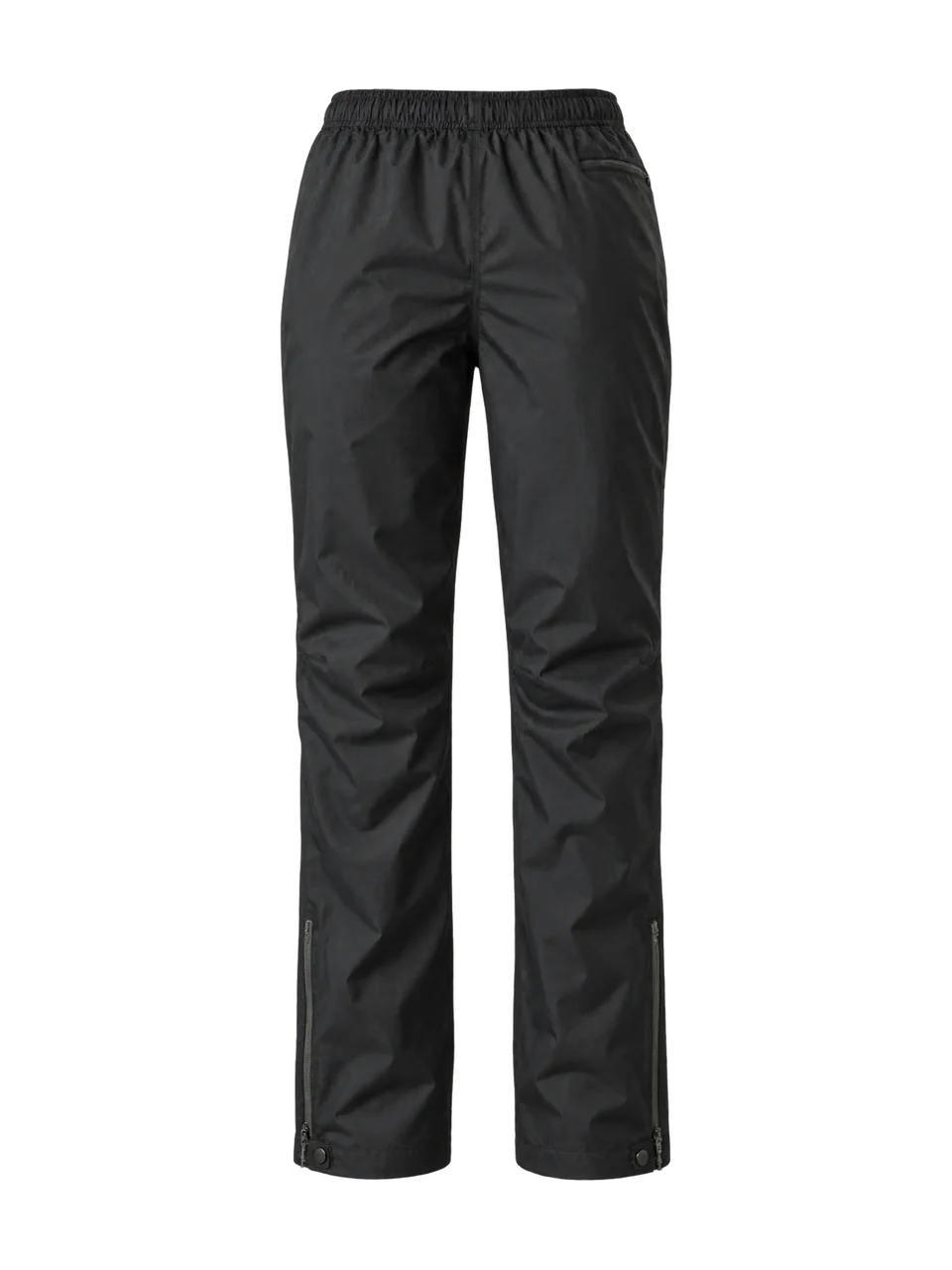
Everyone wore a sample of next spring's Hale three-layer jacket and overtrousers, with a recycled nylon face fabric and a PFAS-free finish. The designers wanted to know three things: where the fabric wets out first, how the hood behaves in a crosswind, and whether the pockets can be reached with a hip belt done up.
By lunchtime the answers were coming in. The face fabric wetted out first on the shoulders, under the pack straps, which is normal and is why we tell people to reproof the shoulders more often. The hood turned with the head and kept the rain off glasses. The pockets cleared the hip belts on every pack in the group.
The hood adjuster was the problem. It sits at the back of the hood, and with wet gloves on, most of the group couldn't find the pull without taking a glove off. "It's fine in the shop," said Gwen, a panel member who walks the moor from Tavistock most weekends. "Up here you want to do it with your eyes shut."
Pitching in the rain
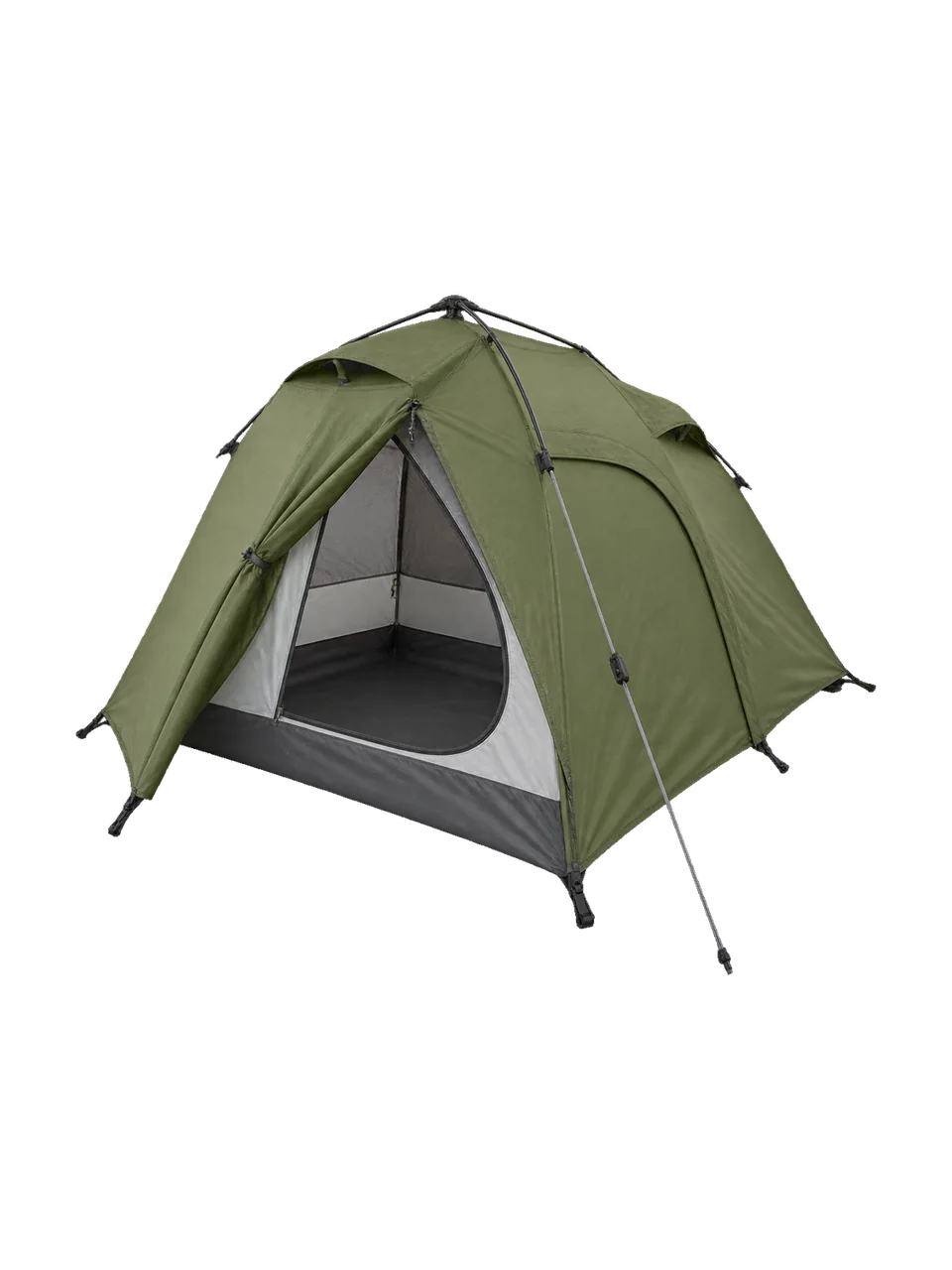
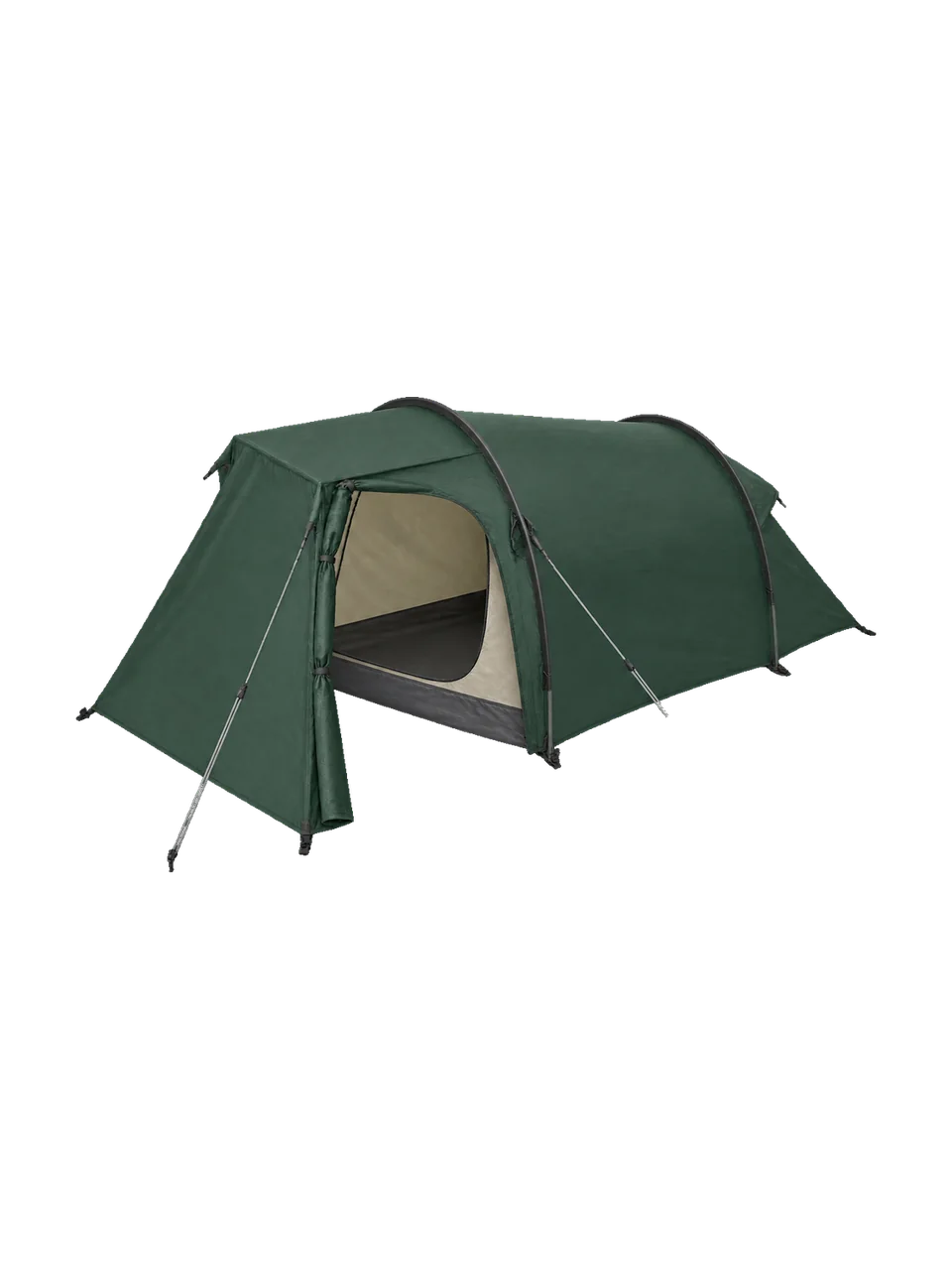
After lunch, in the lee of a tor, the group pitched four samples of a two-person Swift tent in a recycled ripstop fabric. Two mills are trialling recycled ripstop for next spring's tents, and this was the first time the fabric had been out in a full day of rain.
The tent pitches outer first, so the inner stays dry in rain. Most pairs had it up in under six minutes, working from the instructions in the bag and nothing else. Then came the test the designers care about most: each pair swapped a pole section in the field, with cold wet hands, using the spare section and repair sleeve that come with the tent. Every pair managed it. Two pairs struggled with the toggle on the door, which was too small to work in gloves.
Boots and buckles
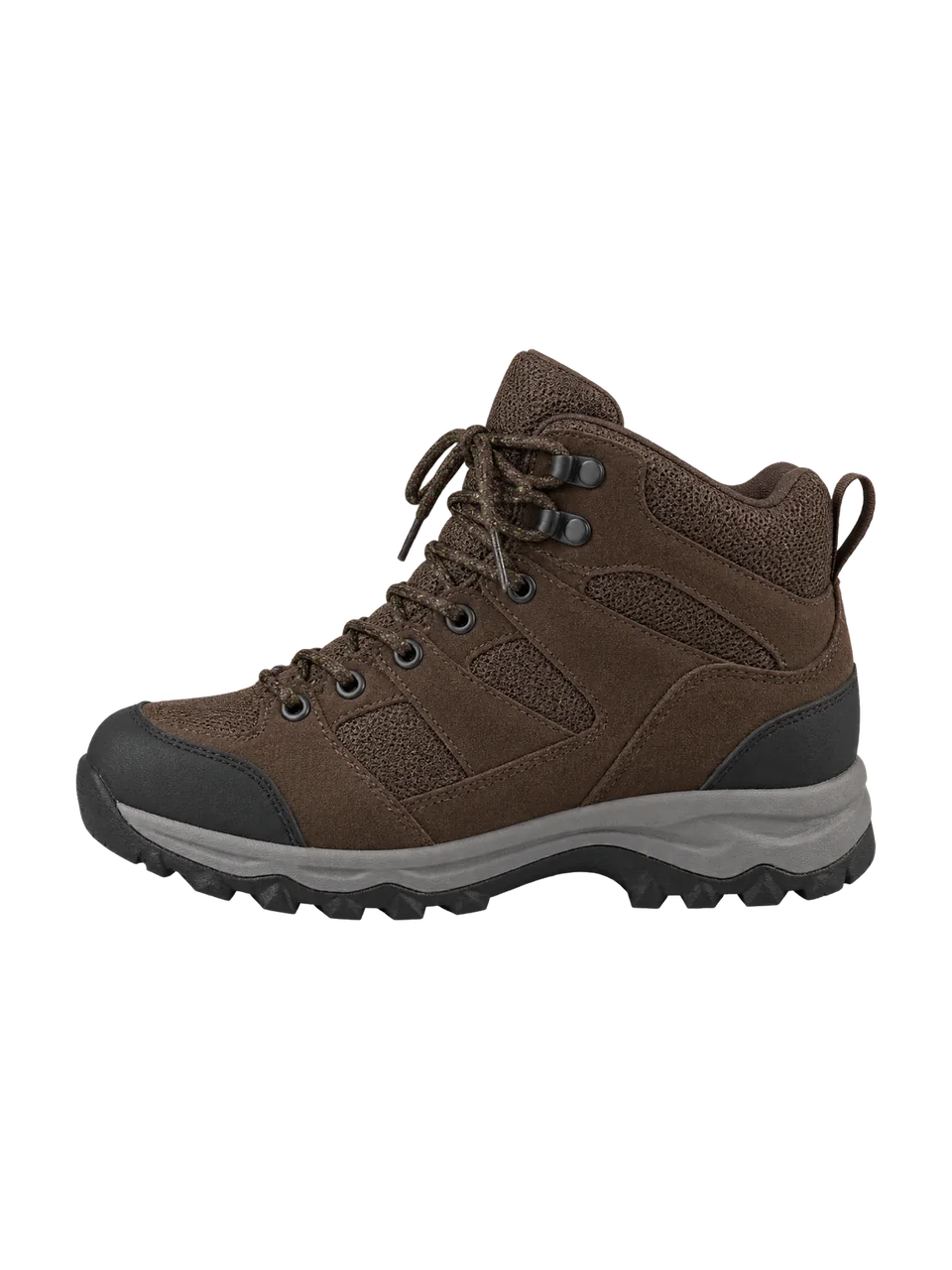
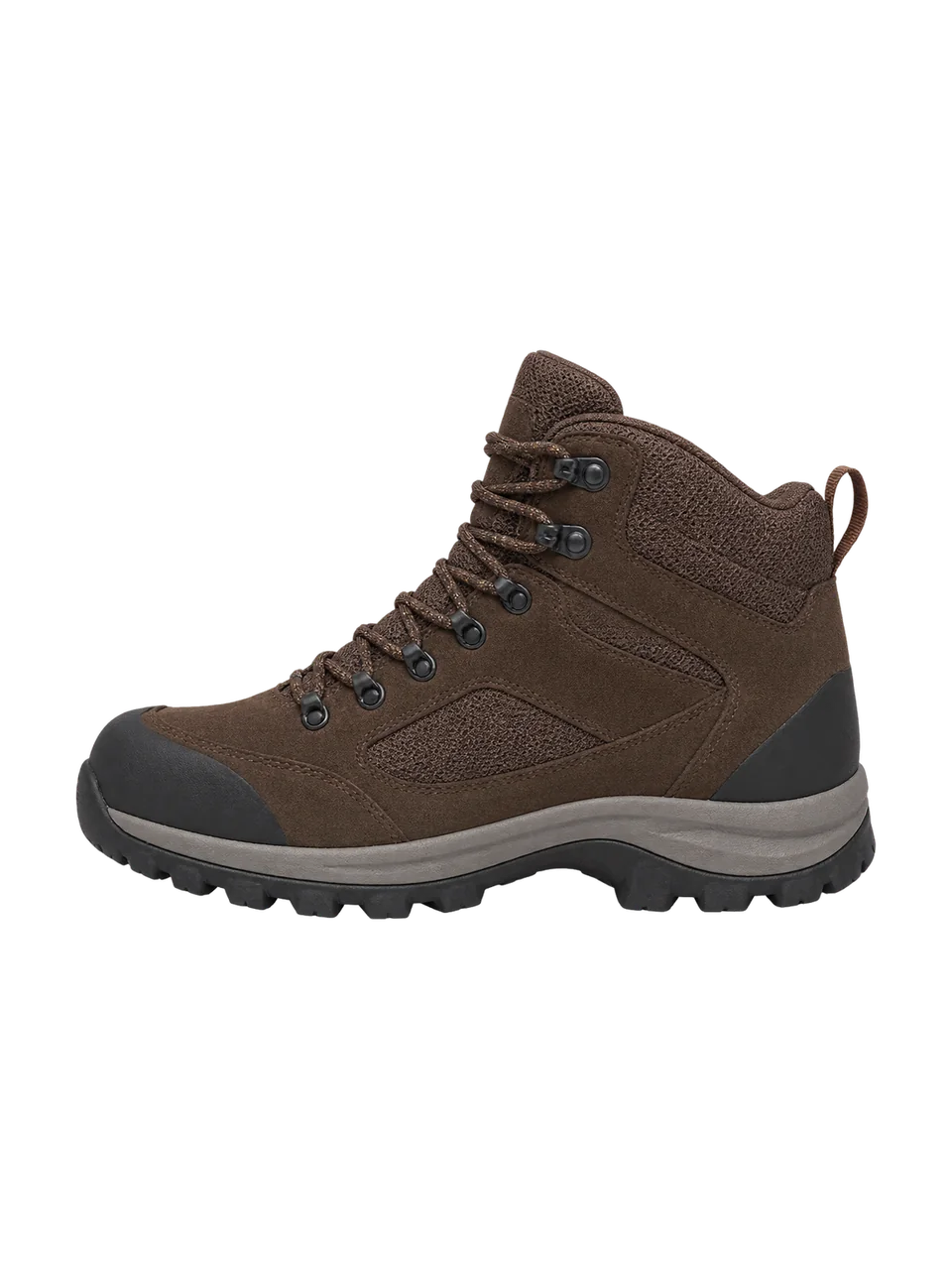
The colleague from the Okehampton shop spent the afternoon in a pair of sample walking boots, noting the grip on wet granite and on steep, wet grass. Two panel members swapped a hip belt buckle on a sample pack, which takes about a minute in the warm and took closer to five on the moor.
What happened next
The panel members wrote up their notes in the app that evening, with photographs. The design team read every one the following week.
Two changes came straight out of the day. The hood adjuster on the Hale jacket now has a larger pull, moved to where a gloved hand finds it, and the Swift tent's door toggle is bigger. Both are in the samples going back out to the panel in July. The tent fabric did well and goes on to a second season of testing.
If you are a Club member and would like to join the panel, you can put your name down in the app. We choose testers by where they walk and how often, so that the samples get used on as many kinds of ground as we can find.