How to reproof a waterproof
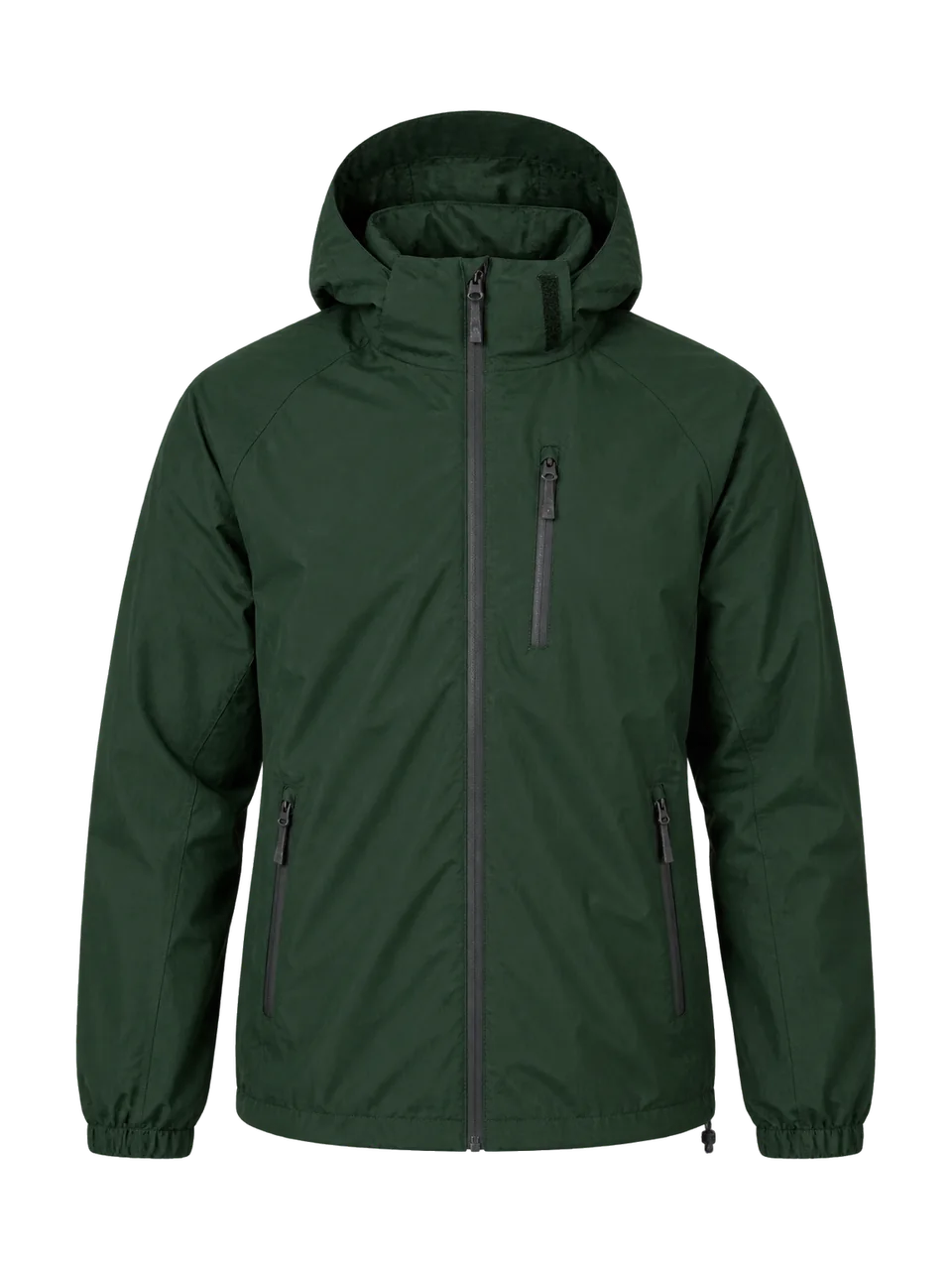
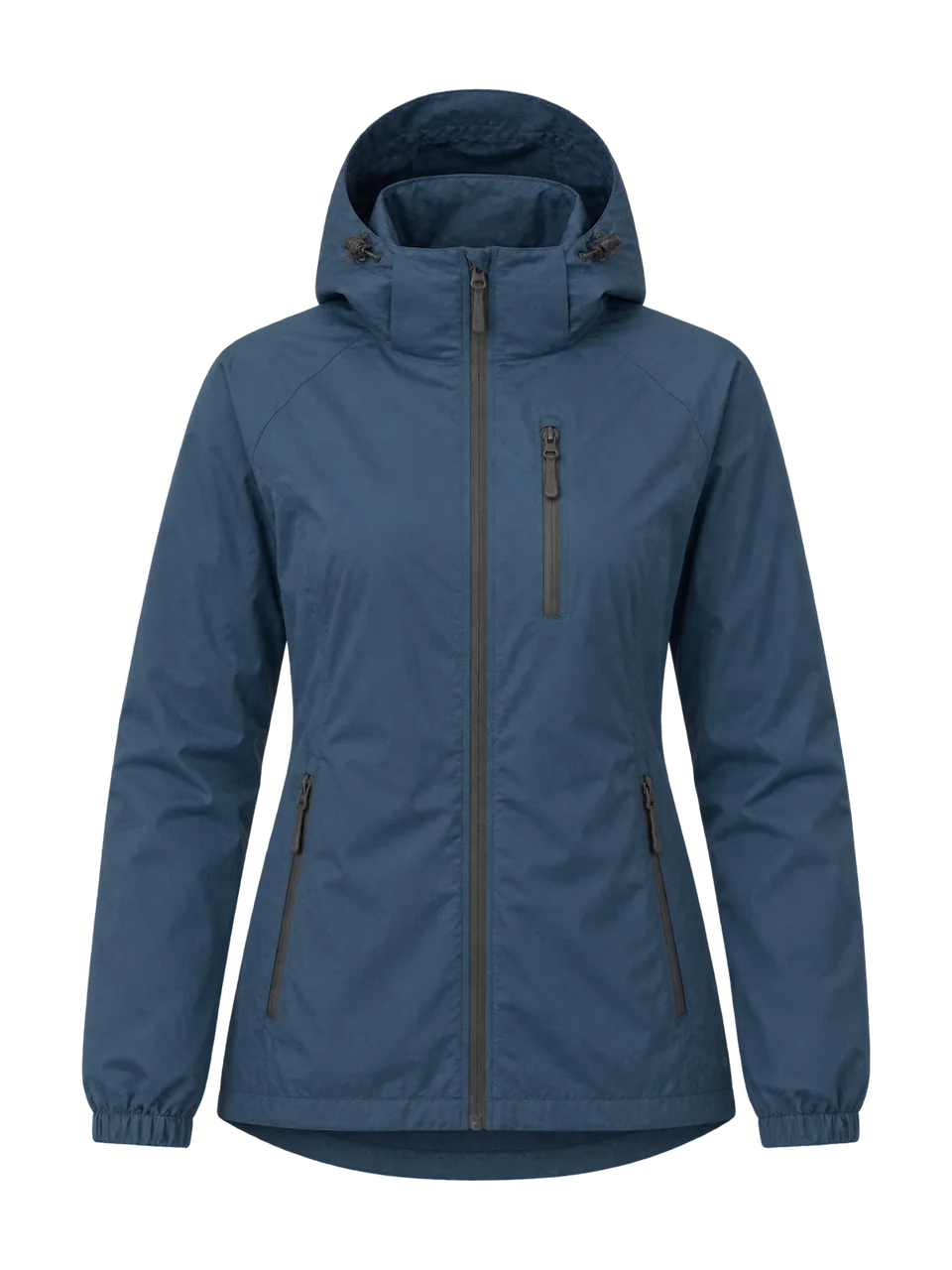
When rain stops beading on your jacket and the fabric starts to darken, a wash and a fresh PFAS-free finish usually bring it back, and this is how.
A waterproof jacket keeps rain out in two ways. Inside it there is a membrane or coating that water can't get through. On the outside, the face fabric has a water-repellent finish that makes rain bead up and roll off. Reproofing is about the outside finish, and it is the part that wears with use.
Wetting out
When the finish wears or gets dirty, the face fabric soaks up water and goes dark, usually first on the shoulders, cuffs and anywhere a pack strap rubs. This is called wetting out. The membrane underneath is still keeping the rain out, but it can no longer let the moisture from your body escape through a soaked outer layer, so it condenses inside. You come home damp and think the jacket leaks.
Real leaks happen too: a seam whose tape has lifted, a hole, a zip that has failed. Those are a job for a repair bench, and on a Hale waterproof the repair is free for as long as you own it.
PFAS-free finishes
For years most water-repellent finishes used PFAS (per- and polyfluoroalkyl substances), chemicals that barely break down, and some of them build up in water, soil and people. Every Hale waterproof has used a PFAS-free finish since Spring Summer 2025, and the whole Swift range since Spring Summer 2026.
PFAS-free finishes shed water well, but they don't repel oil. Sun cream, insect repellent, the oil from your skin, wood smoke and mud all let water in faster. So a PFAS-free jacket needs washing more often, and a wash on its own often brings the beading back.
Check it first
Sprinkle some water on the shoulders and sleeves.
- If it beads and rolls off, leave the jacket alone.
- If it soaks in, wash the jacket.
- If it still soaks in after washing and drying, reproof it.
Washing
- Clean out the detergent drawer and run the machine empty on a rinse cycle. Leftover ordinary detergent and fabric softener stick to the fabric and attract water.
- Close the zips and press studs, loosen the drawcords and empty the pockets.
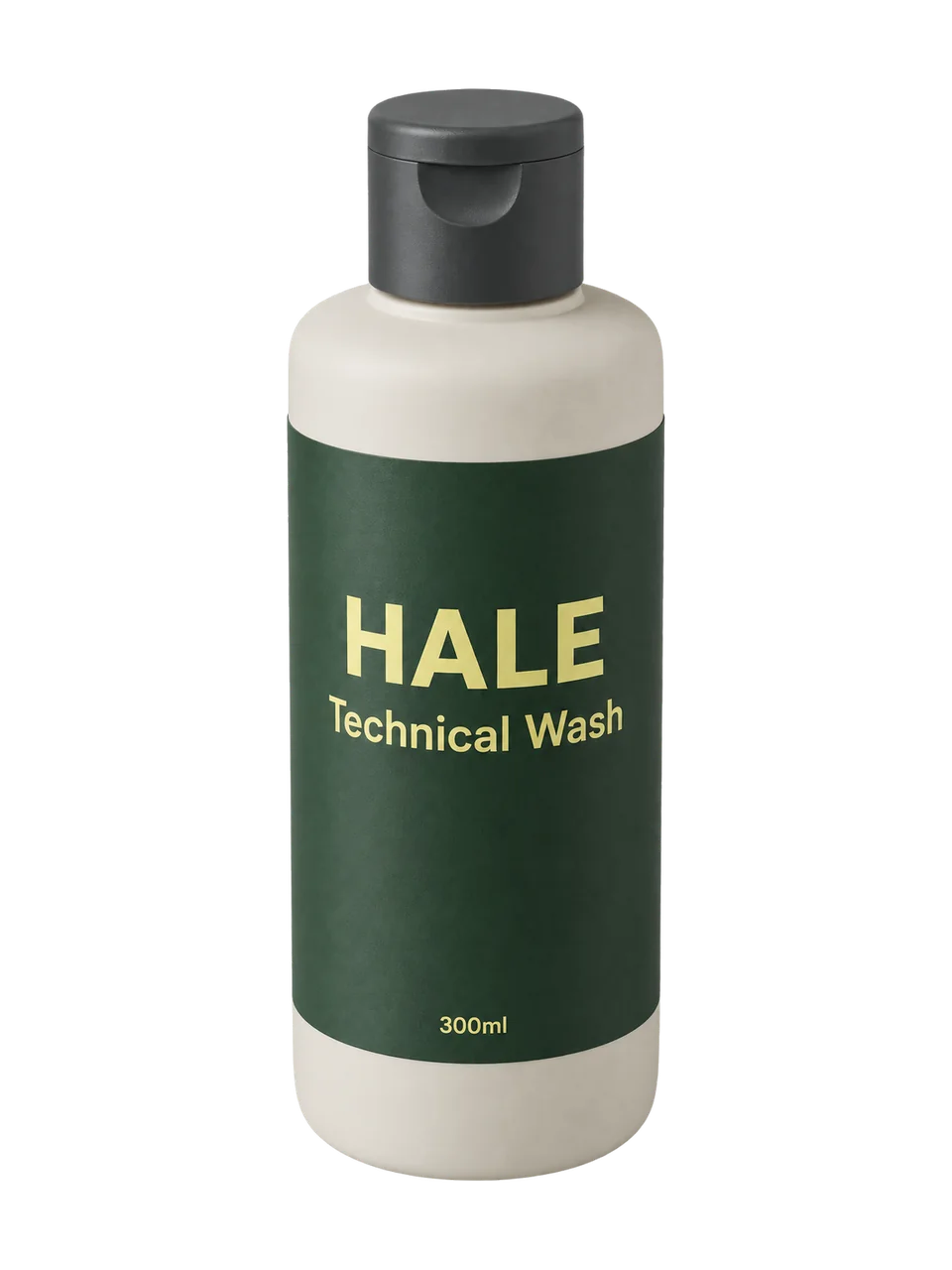
- Wash at 30°C on a gentle cycle with a technical cleaner made for waterproofs. No fabric softener, no bleach and no washing powder.
- Add an extra rinse.
Every Hale waterproof has washing and reproofing instructions on its care label. Follow the label if it says something different from this guide.
Wash-in or spray-on
Use a PFAS-free reproofer. Every one we sell is.
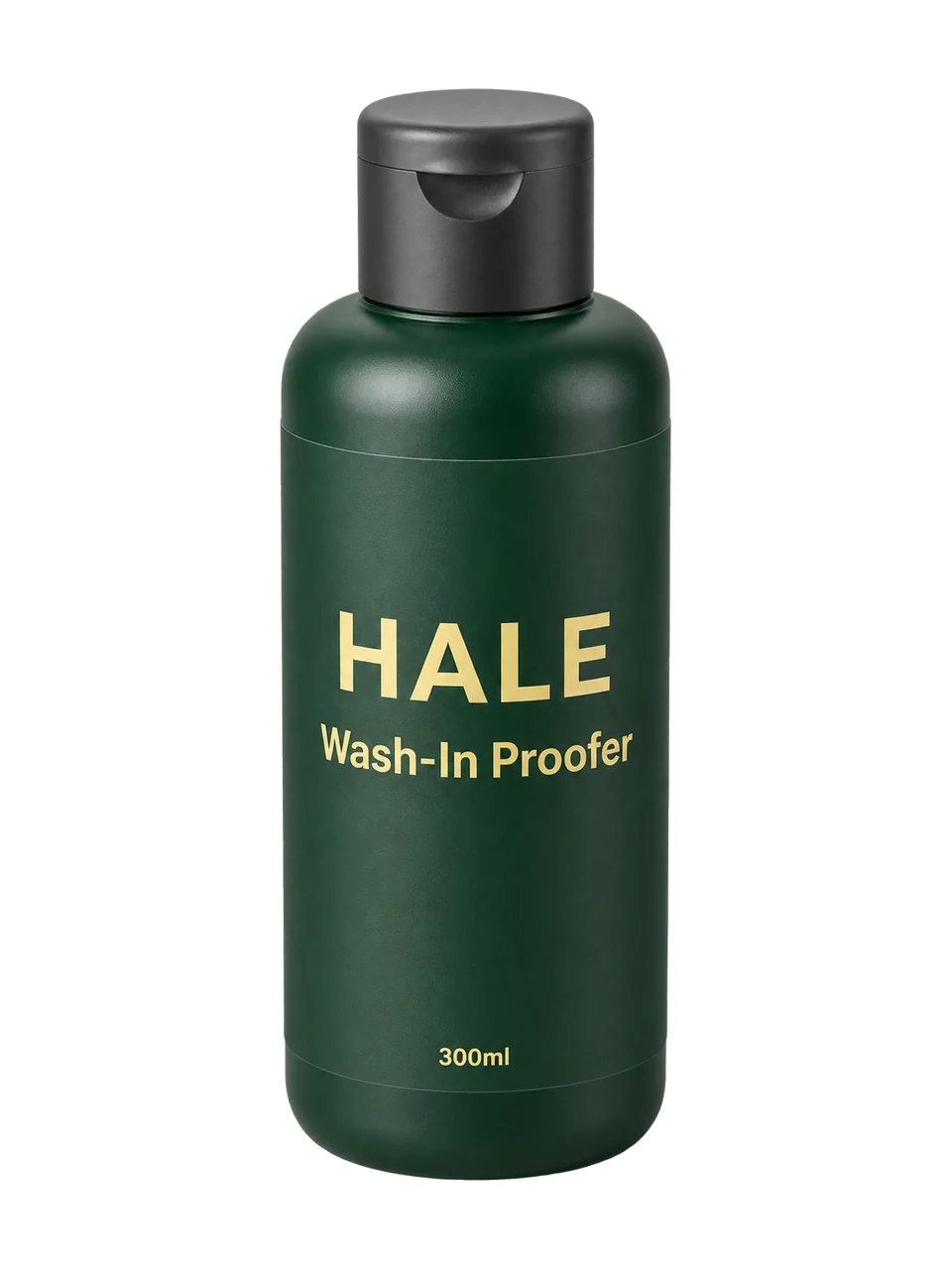
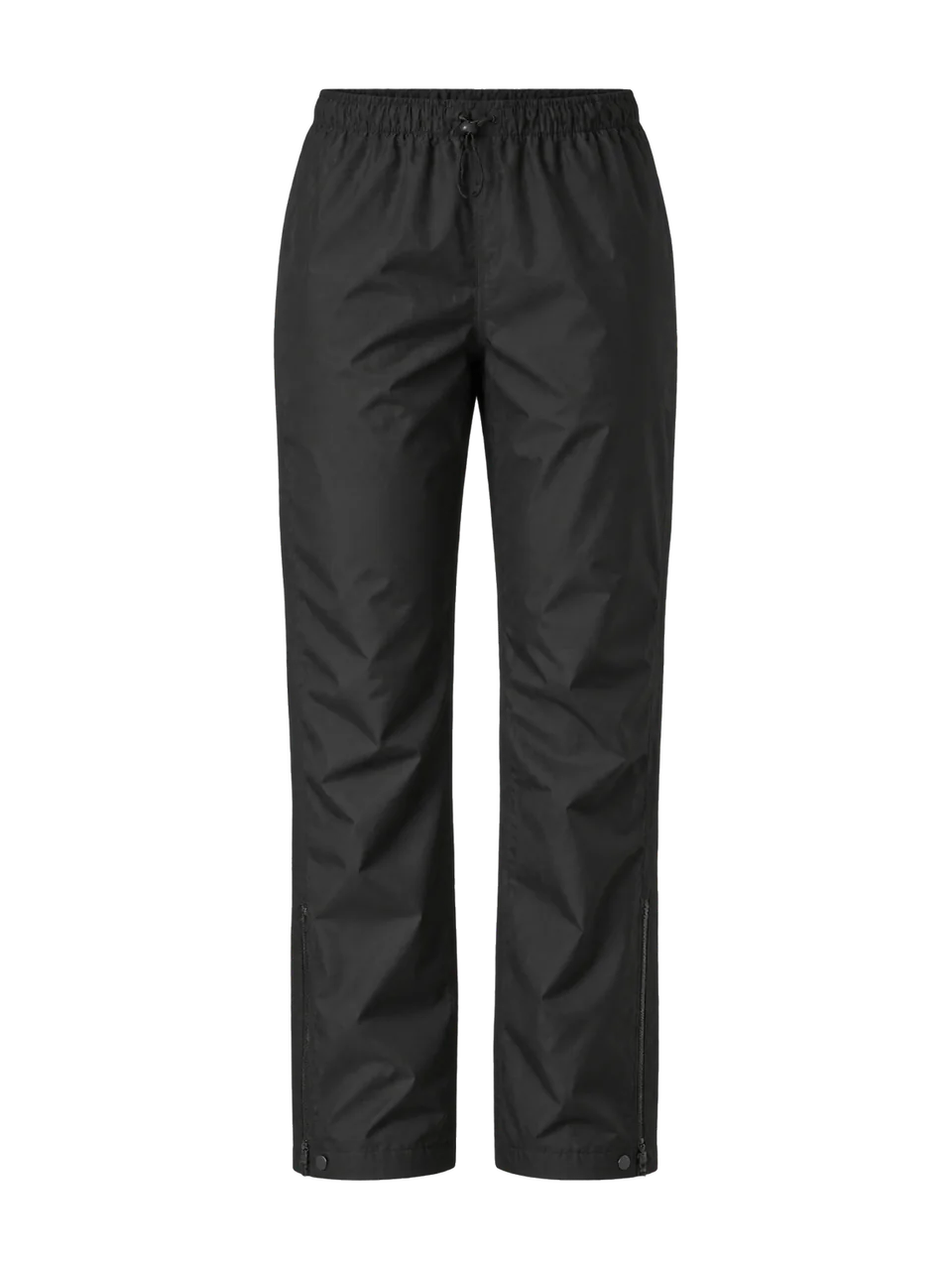
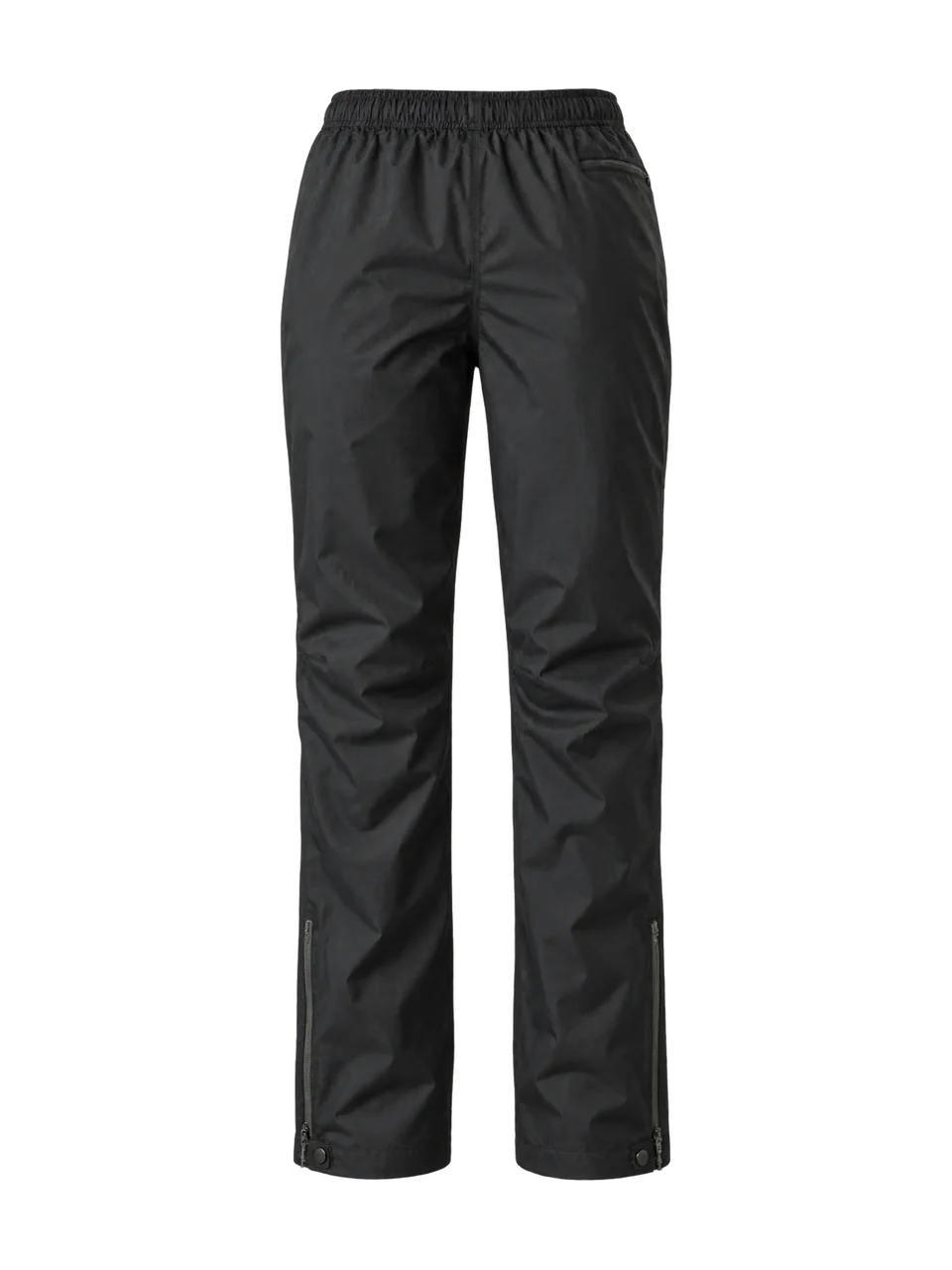
Wash-in reproofer goes in the machine on a second cycle, straight after the wash, and coats the jacket inside and out. It suits three-layer jackets and overtrousers with a smooth inner face.
Spray-on reproofer only treats the outside. Use it on jackets with a mesh or fleece lining, because wash-in would coat the lining too and stop it moving sweat away from your skin. It is also the quickest way to treat just the shoulders, cuffs or the seat of a pair of overtrousers. Hang the clean, damp jacket up, spray evenly from about 15cm away, and wipe off any drips after a couple of minutes.
Drying
If the label allows, tumble dry on a low heat for about 20 minutes. Gentle heat helps a PFAS-free finish recover, and it is often enough to bring back the beading on a jacket that has only been washed. If you don't have a dryer, hang it to dry away from direct heat and check the label: some jackets can take a cool iron through a tea towel.
How often depends on how much you walk. If you are out most weekends, washing the jacket every few weeks and reproofing it once or twice a year is about right.
Or let the bench do it
The repair benches in 41 of our shops wash and reproof waterproofs with PFAS-free products, and any of our other shops will send yours to the nearest bench. The price is on our repairs page, and Club members can use their repair credit towards it. While the jacket is in, the technicians check the seams and zips and tell you if anything needs mending.
Wash-in and spray-on products, and technical cleaners, are in care and reproofing.