Reading sleeping bag ratings
Most sleeping bags carry three ISO 23537 temperatures, and this is what each one means and which to read for a night in a British tent.
Look at the label on most sleeping bags and you will find three temperatures, something like Comfort 2°C, Limit -3°C and Extreme -18°C. They come from ISO 23537, the international test that replaced the older European standard, EN 13537, in 2016. The current edition is ISO 23537-1:2022. Every bag tested to it goes through the same procedure, so you can compare a bag from one maker with a bag from another.
How the test works
A life-size manikin, heated from inside and fitted with sensors, is dressed in a base layer, socks and a hat. It lies on an insulated mat inside the bag, in a chamber kept at a set cold temperature. The lab measures how much power it takes to keep the manikin's surface warm, and works out the temperatures from that for two standard sleepers: a woman aged 25, 1.60m tall and 60kg, and a man aged 25, 1.73m tall and 73kg.
Comfort
The Comfort temperature is the lowest at which the standard woman, lying in a relaxed position, would sleep comfortably. For most people this is the number to plan around. Women on average sleep colder than men, and so do plenty of men, so if you know you feel the cold, use Comfort and nothing lower.
Limit
The Limit temperature is the lowest at which the standard man, curled up to keep warm, can sleep for eight hours without waking from the cold. If you sleep warm, you might take a bag down to its Limit, but you will be curled up and not especially cosy. Below it, expect a cold night.
Extreme
The Extreme temperature is a survival figure. It is the lowest temperature at which the standard woman could stay in the bag for six hours without dying of hypothermia, with frostbite still possible. Leave it out when you choose a bag. Some bags also show an upper limit, the warmest temperature at which the standard man can sleep with the bag unzipped and his arms out without sweating heavily.
What to look for in Britain
As a rough guide for adults:
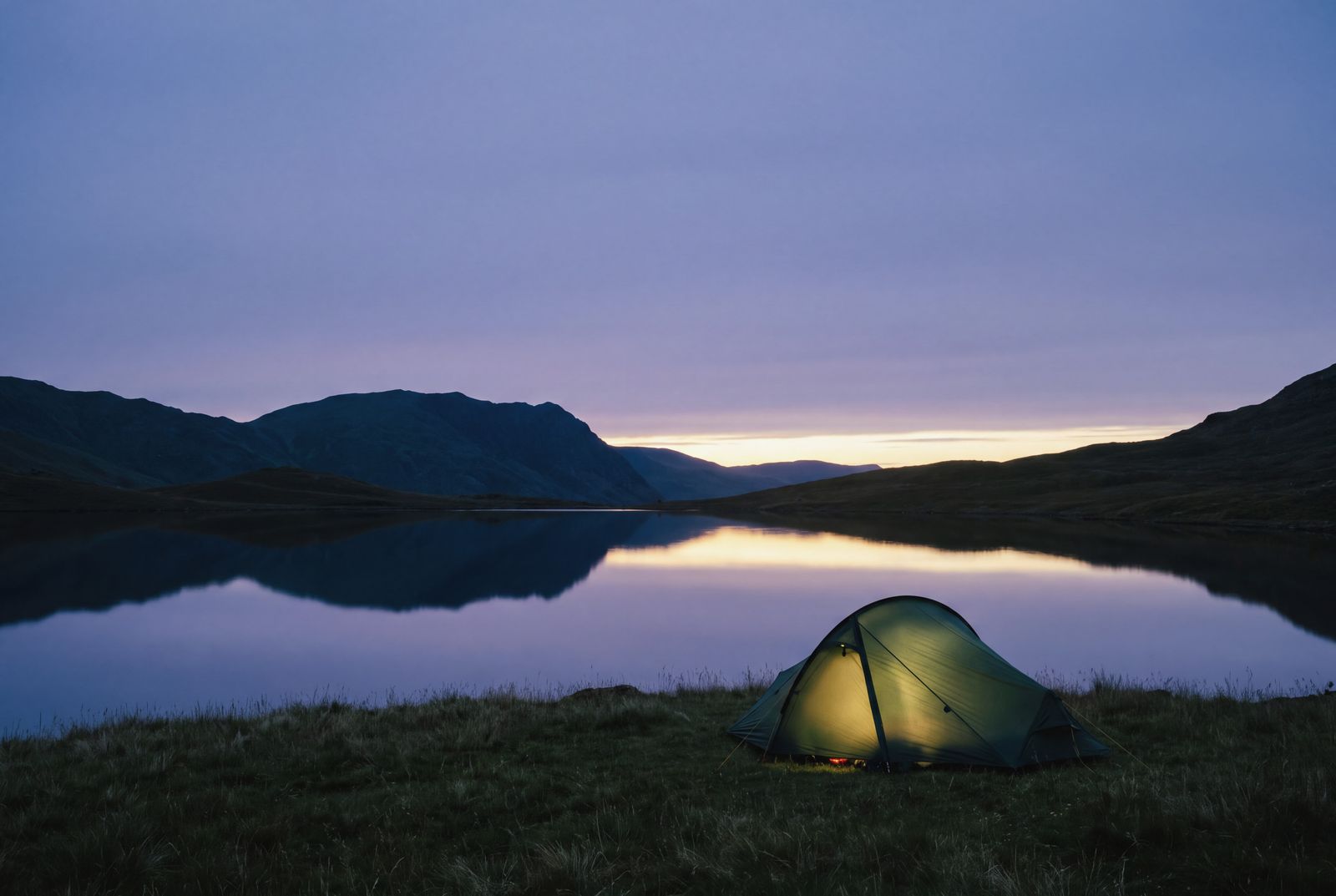
- Valley campsites from June to August: Comfort around 5°C. Most summer nights in a valley in England and Wales stay above that, but a clear night can surprise you.
- Spring and autumn, or summer nights on the hills: Comfort around 0°C. Frost is possible in May and September.
- Winter camping: Comfort of -5°C or lower, and a winter mat.
Seasons (two-season, three-season and so on) are not part of the standard, and makers use them loosely, so go by the temperatures. Wind and height both make a pitch colder. On still, clear nights cold air also sinks into valley bottoms, so a hollow by a stream can be the coldest spot on the site.
The mat under the bag
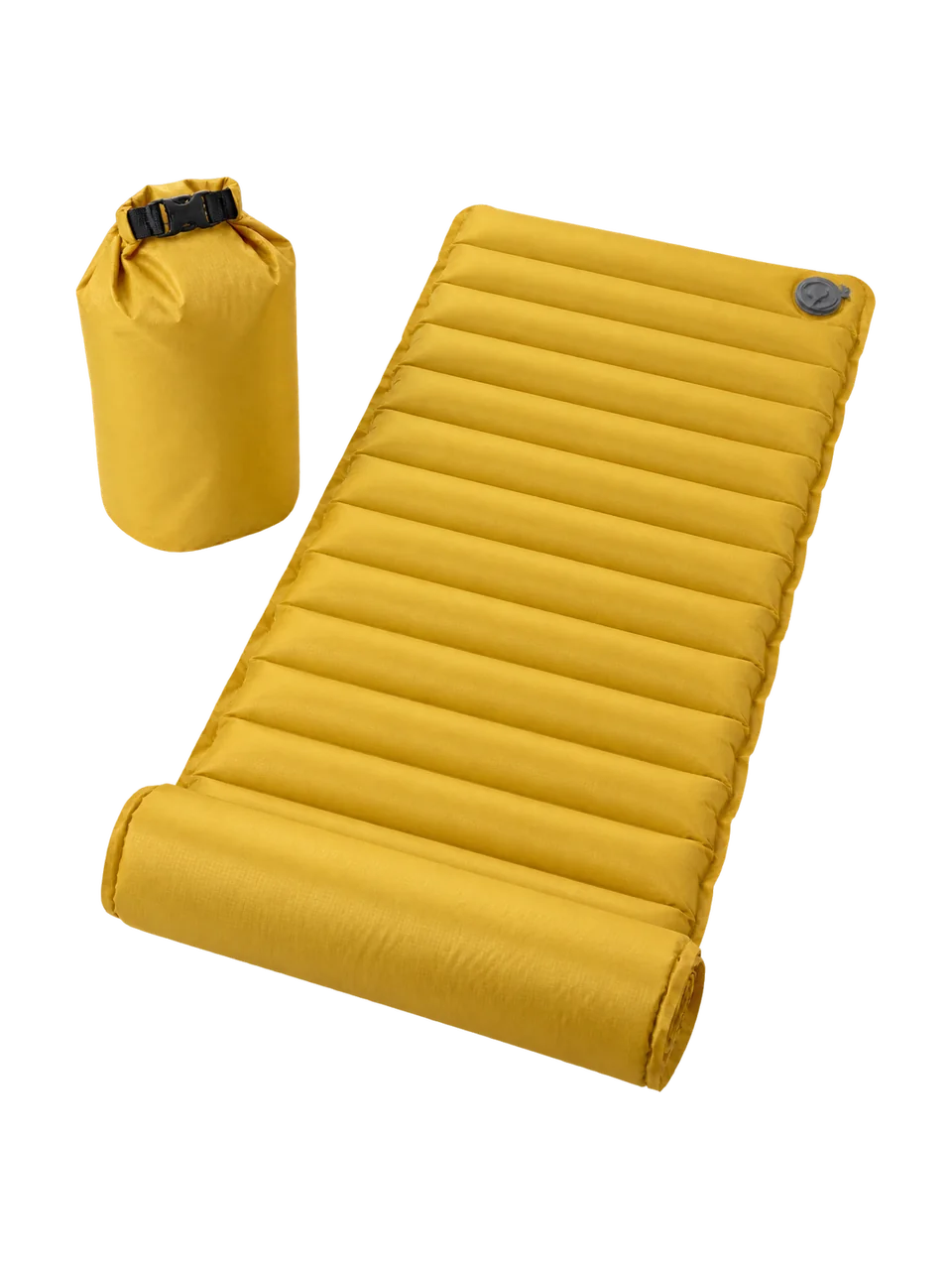
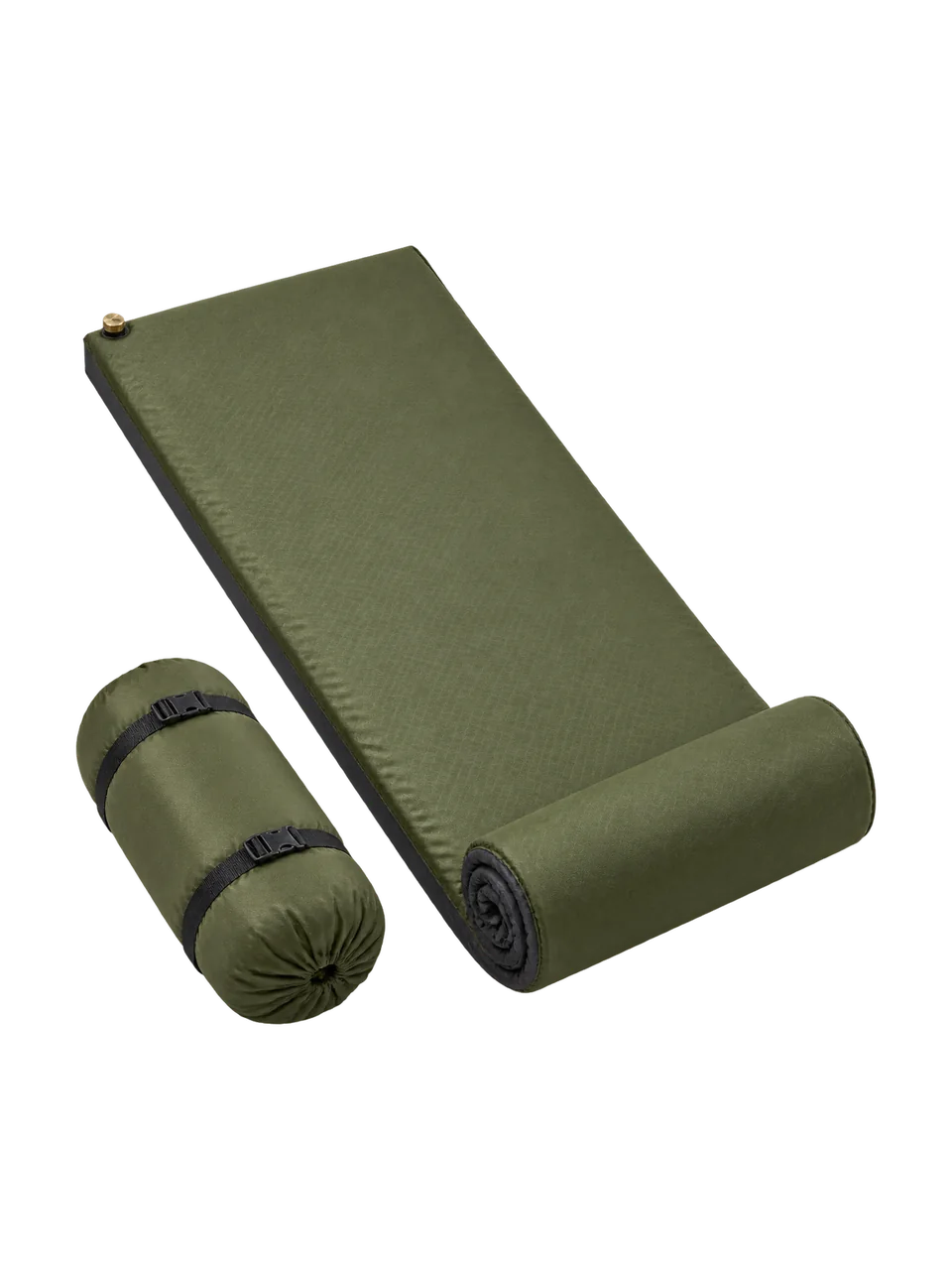
The test is done on an insulated mat. On a thin mat or a camp bed, the cold ground or the air underneath draws heat out of you, and no bag rating will hold. Mats are rated by R-value under ASTM F3340, where higher numbers insulate more. As a guide, R 1 to 2 suits summer, R 2 to 4 suits three-season camping, and R 4 and above suits winter. An airbed with no insulation is a cold thing to sleep on, even in August.
Other things that change the night
- Eat something before bed, and change into a dry base layer and dry socks. Damp clothes from the day pull heat out all night.
- Wear a hat, and pull the hood up and the drawcord in when it gets cold.
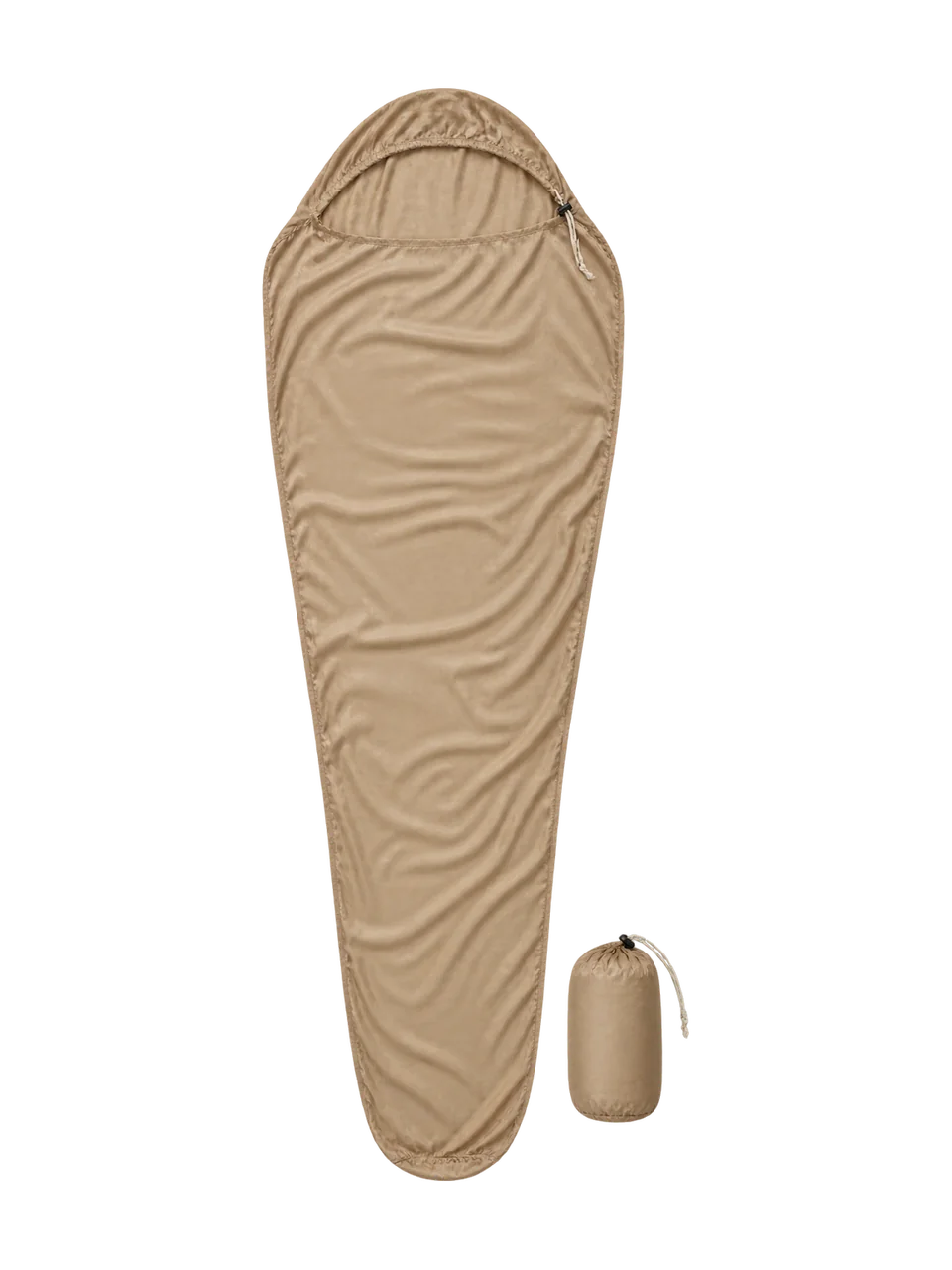
- A liner adds a little warmth, usually less than the packet suggests, and keeps the bag clean.
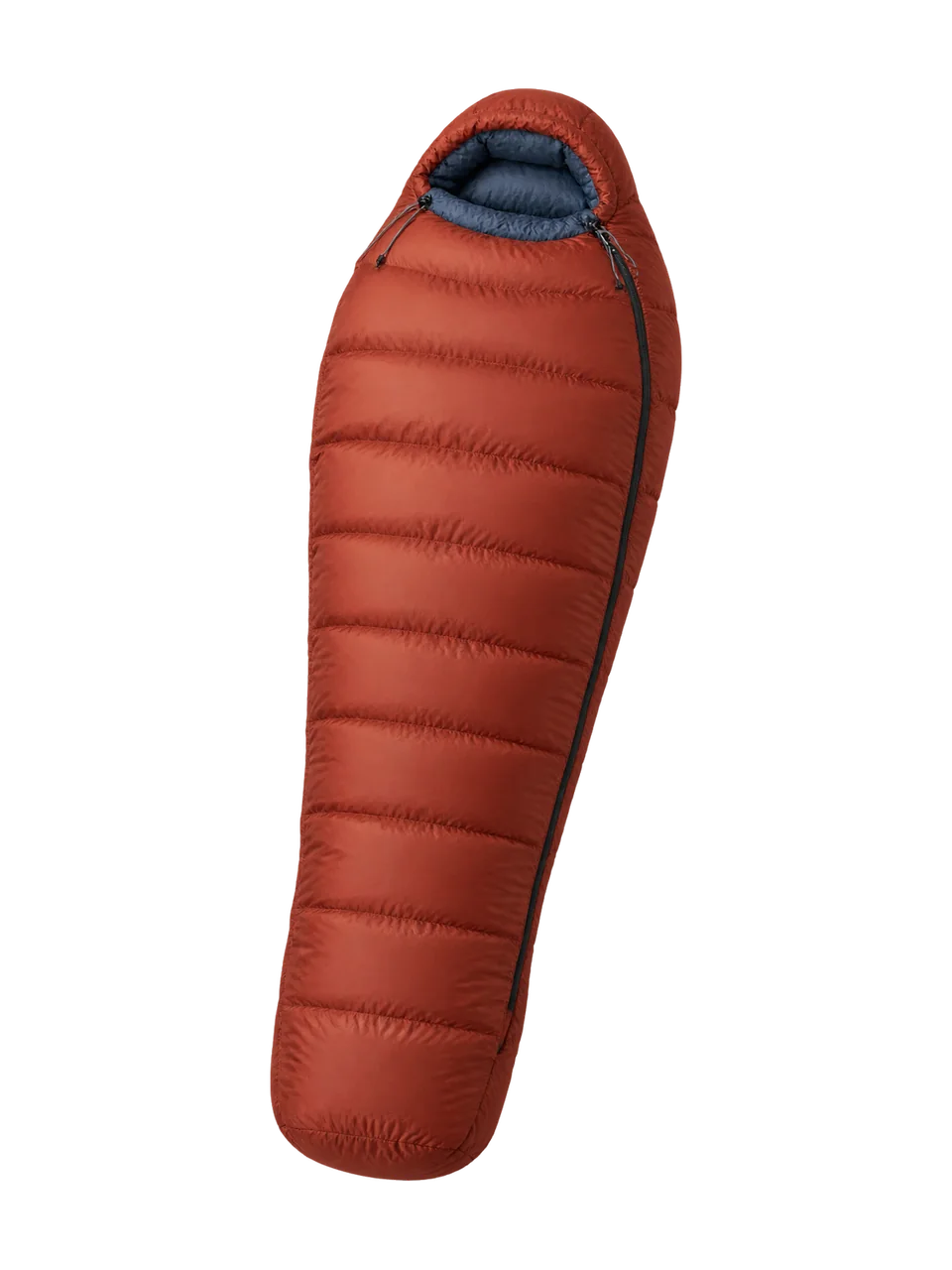
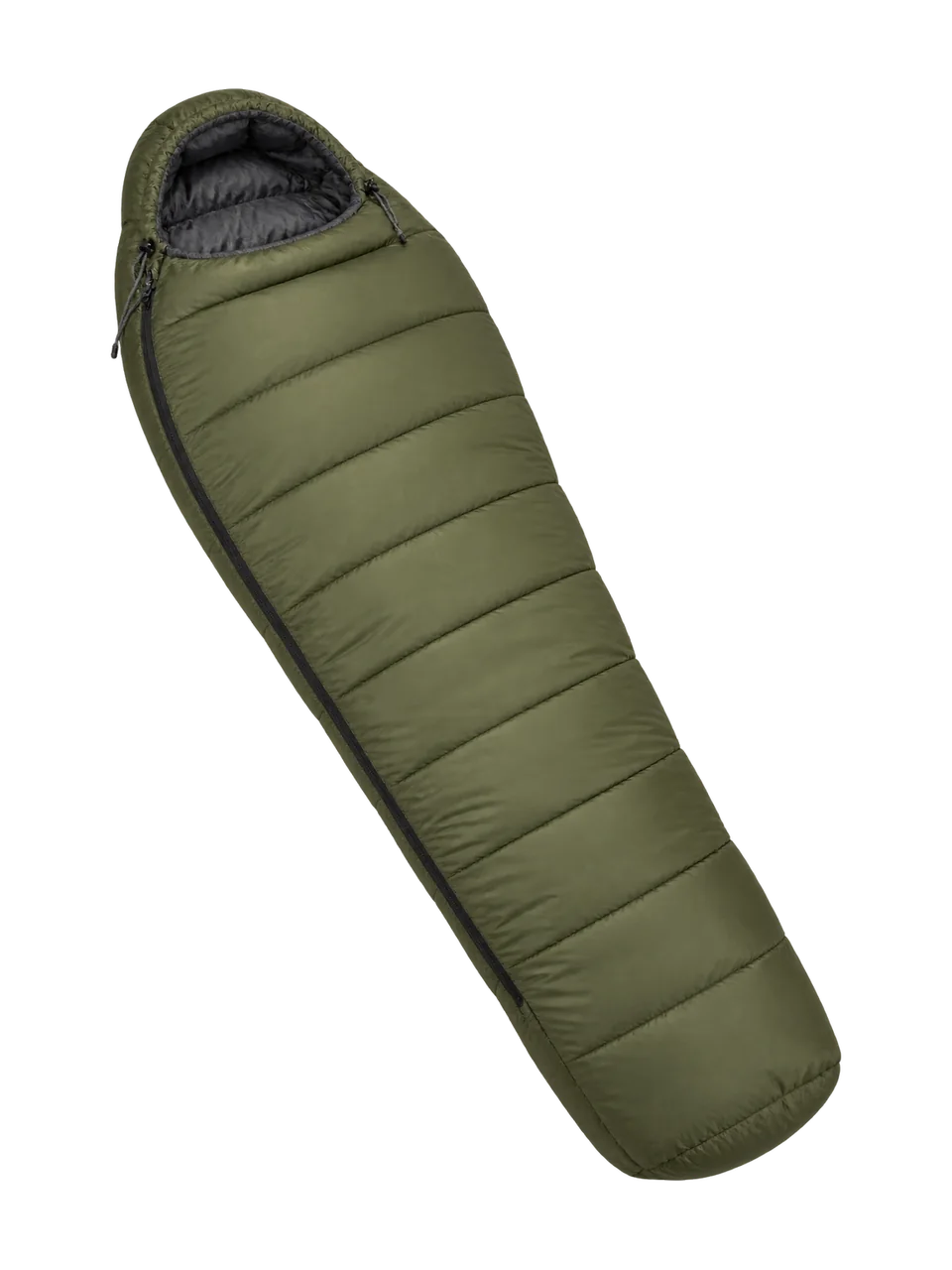
- Down packs smaller and weighs less for the same warmth. Synthetic fill keeps more of its warmth when it gets damp from condensation in a small tent.
- Store the bag loose in its large storage sack, never in the stuff sack. Fill that stays squashed for months lofts less and keeps you less warm.
Children's bags
ISO 23537 covers adult-sized bags. Children's bags carry the maker's own recommended temperatures, and children lose heat faster than adults, so err on the warm side and give them a good mat. Our kids' kit includes junior sleeping bags.
Every bag on our sleeping bags page that has been tested to ISO 23537 shows its Comfort and Limit temperatures, and our shop teams can unroll one so you can try it before you buy.